Medical

Medical Services

Infertility Treatment Consultation Area

Infertility Treatment

Infertility Treatment

Understanding Infertility

When Pregnancy Takes Longer Than Expected

Infertility is more common than many people realize. Environmental factors, lifestyle habits, stress, dietary patterns, and underlying medical conditions can all affect reproductive health and fertility outcomes.

According to current statistics, approximately 10–15% of couples experience difficulty conceiving, meaning that nearly one in seven couples may face fertility challenges.

When Should You Seek Fertility Evaluation?

Women Under 35 Years Old

If you have been trying to conceive naturally through regular unprotected intercourse for more than 12 months without success, a fertility evaluation is recommended.

Women Aged 35 and Above

Because fertility naturally declines with age, consultation with a fertility specialist is recommended after 6 months of unsuccessful attempts to conceive.

Common Causes of Infertility

Female Factors

  • Fallopian Tube Conditions: Blockage, inflammation, infection, or adhesions
  • Ovarian Factors: Ovulation disorders, Polycystic Ovary Syndrome (PCOS), diminished ovarian reserve, or ovarian injury
  • Uterine Factors: Endometrial polyps, uterine fibroids, intrauterine adhesions, congenital uterine abnormalities, or endometriosis
  • Other Female Factors: Hormonal imbalances, poor egg quality, or cervical mucus abnormalities

Male Factors

  • Low sperm count
  • Reduced sperm motility
  • Abnormal sperm morphology
  • Obstructive azoospermia
  • Anti-sperm antibodies

Unexplained Infertility

In some cases, standard fertility evaluations reveal no obvious abnormalities despite prolonged difficulty conceiving.

In Vitro Fertilization and ICSI Laboratory

IVF / ICSI

In Vitro Fertilization (IVF) & Intracytoplasmic Sperm Injection (ICSI)

Advanced Fertility Treatment for Complex Reproductive Challenges

IVF and ICSI are among the most effective assisted reproductive technologies available today, offering hope to couples facing a wide range of fertility challenges.

At Song Fertility Center, we combine advanced reproductive technologies, personalized treatment plans, and comprehensive laboratory support to maximize your chances of achieving a successful pregnancy.

Why Choose IVF?

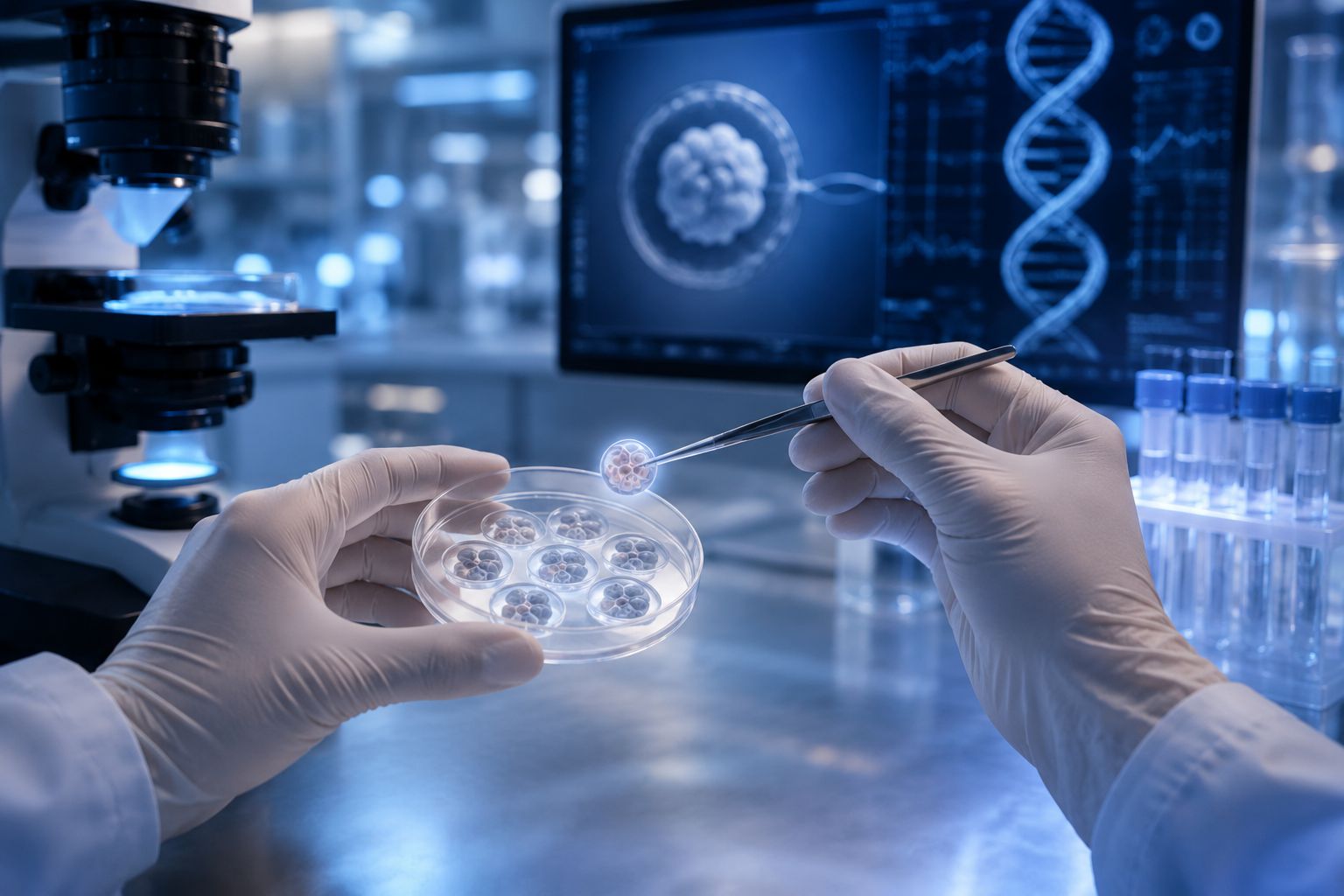
IVF allows fertilization to occur in a controlled laboratory environment, enabling embryologists and fertility specialists to carefully monitor embryo development and select the most suitable embryos for transfer.

Benefits of IVF

  • Higher pregnancy rates compared to conventional fertility treatments
  • Effective treatment for various infertility conditions
  • Supports genetic testing before embryo transfer
  • Enables fertility preservation through embryo freezing
  • Suitable for both female and male factor infertility

Reference: Taiwan Medical Travel Official Information

Who May Benefit from IVF?

  • Age-Related Fertility Decline: Women aged 35 years and older experiencing decreased ovarian reserve or unsuccessful natural conception
  • Ovulation Disorders: Anovulation, PCOS, poor ovarian response, or low ovarian reserve
  • Fallopian Tube Conditions: Bilateral tubal blockage, tubal adhesions, hydrosalpinx, or absent fallopian tubes
  • Endometriosis: Moderate to severe endometriosis affecting fertility potential
  • Repeated IUI Failure: Couples who have undergone multiple unsuccessful IUI cycles
  • Genetic Concerns: Families with known genetic disorders or chromosomal abnormalities
  • Male Factor Infertility: Low sperm count, poor sperm motility, abnormal sperm morphology, or obstructive azoospermia
  • Recurrent Pregnancy Loss or Unexplained Infertility: Patients with repeated miscarriages or unexplained difficulty achieving pregnancy

IVF Treatment Process

IVF Treatment Process

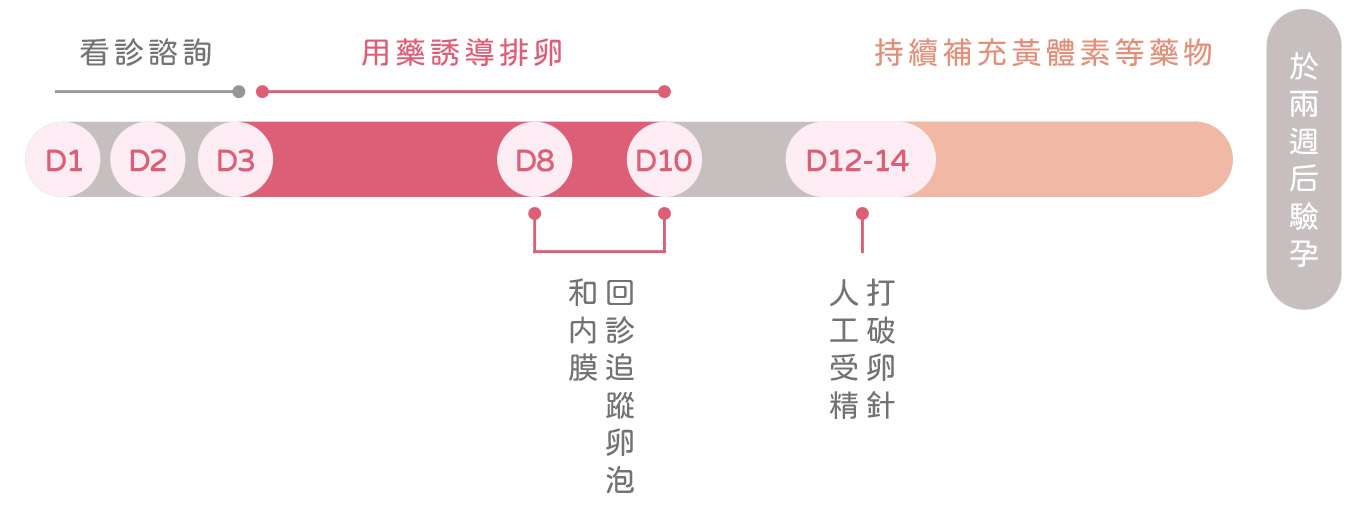
Step 1: Initial Consultation and Fertility Assessment
A comprehensive fertility evaluation is performed to determine the most appropriate treatment strategy.

Step 2: Ovarian Stimulation
Personalized medication protocols are used to stimulate multiple follicles and optimize egg development.

Step 3: Monitoring
Regular ultrasound examinations and hormone testing are performed to track follicular growth.

Step 4: Egg Retrieval
When follicles reach optimal maturity, eggs are collected through a minimally invasive procedure.

Step 5: Fertilization and Embryo Culture
Eggs are fertilized through conventional IVF or ICSI, followed by embryo development in our advanced embryology laboratory.

Step 6: Embryo Transfer
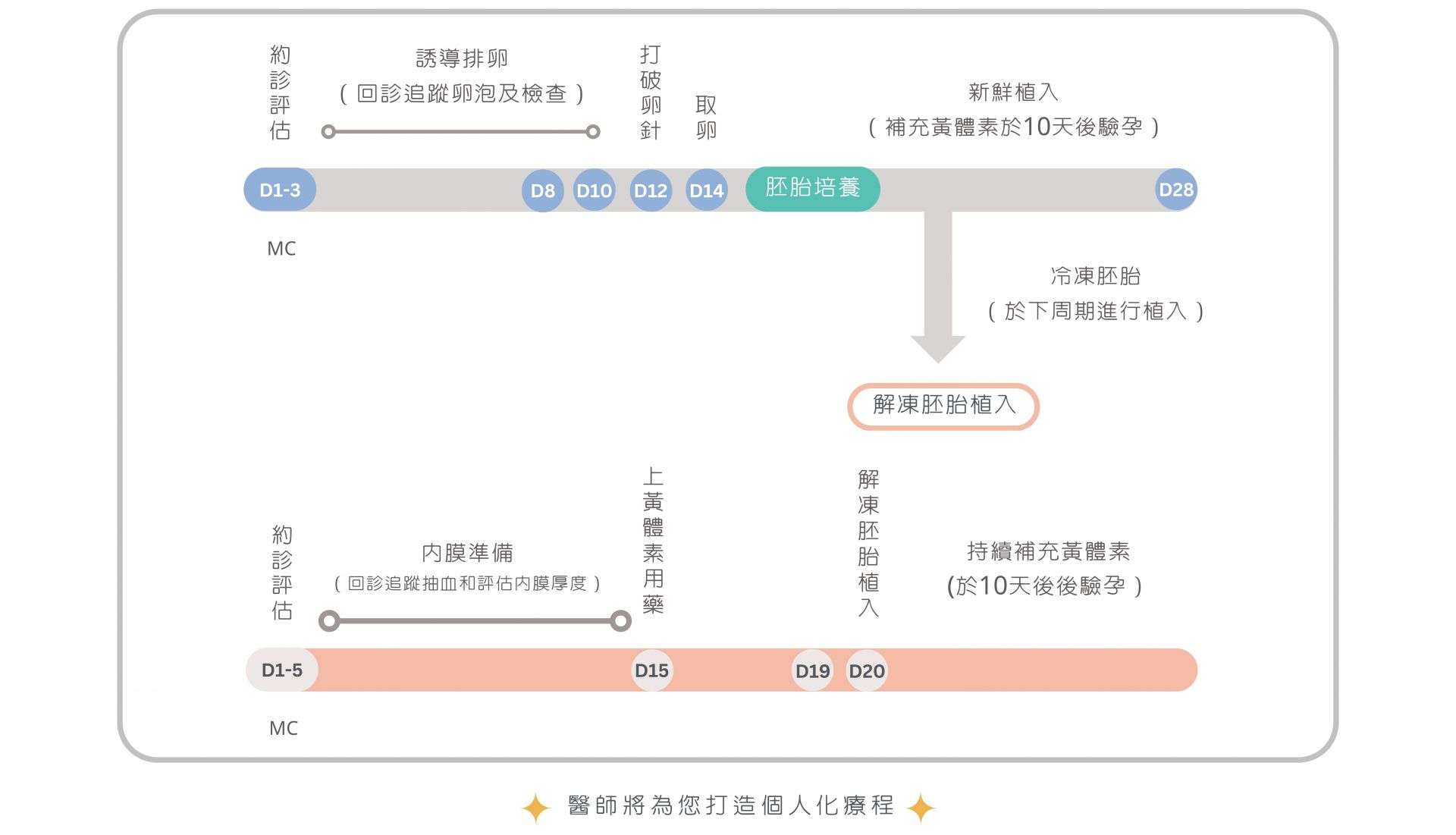
Selected embryos are transferred into the uterus during either a fresh transfer cycle or a frozen embryo transfer cycle.

Step 7: Pregnancy Testing
Approximately 10–14 days after embryo transfer, a blood pregnancy test is performed to confirm treatment results.

Frozen Embryo Transfer (FET)

Preserving Opportunities for Future Pregnancy

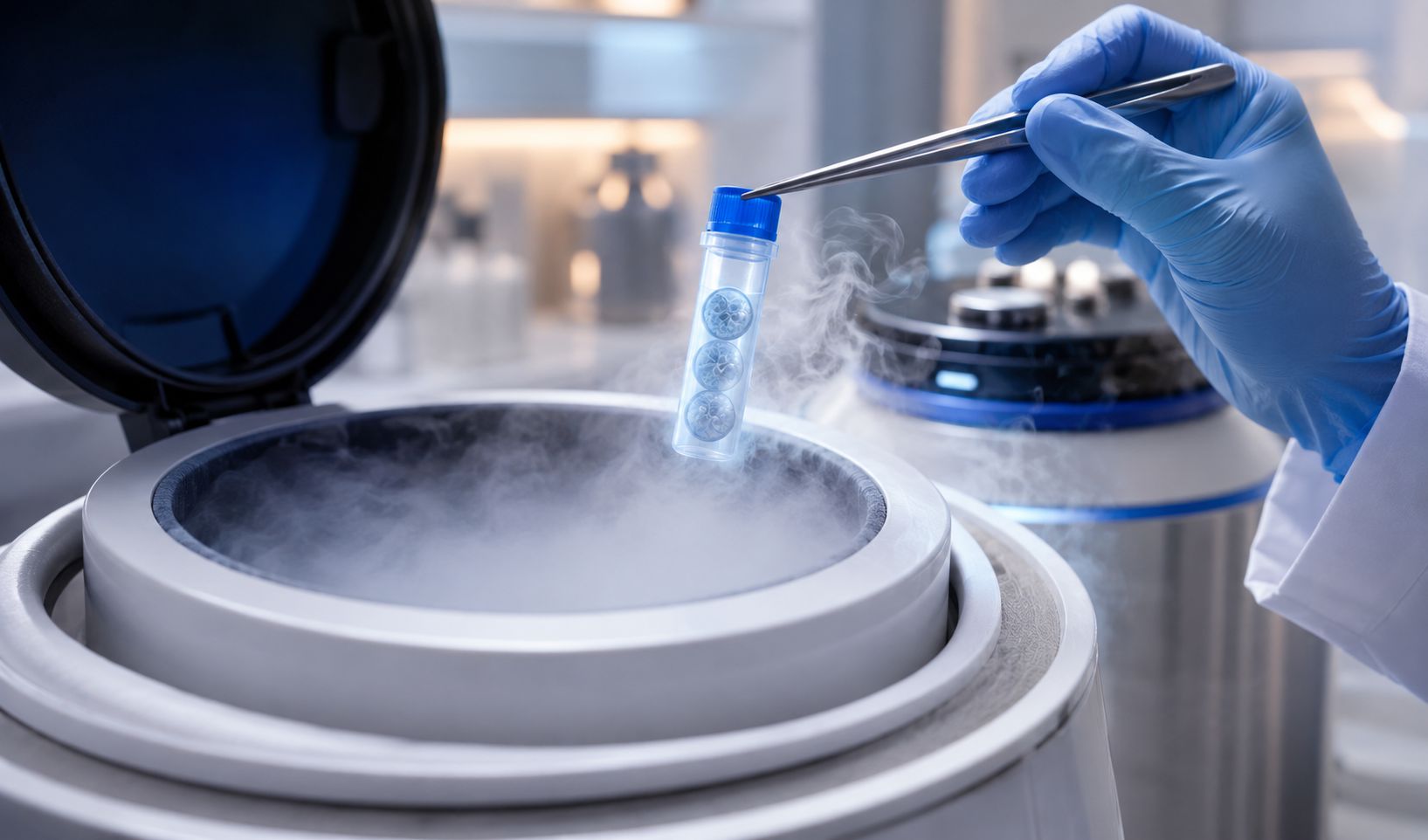
Embryo cryopreservation utilizes advanced vitrification technology to safely store embryos at ultra-low temperatures in liquid nitrogen.

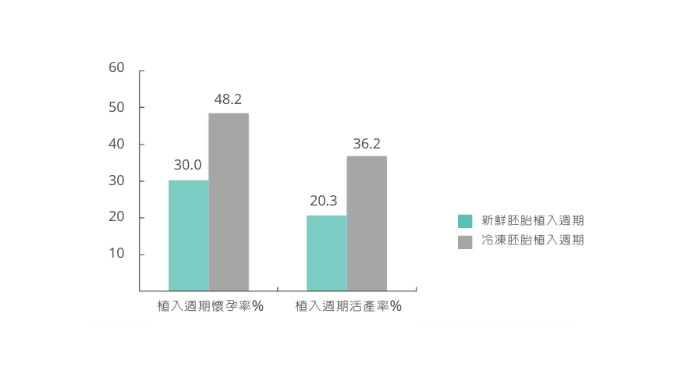
Frozen embryo transfer offers flexibility and may improve pregnancy outcomes by allowing transfer during an optimized uterine environment.

Advantages of Frozen Embryo Transfer

  • Reduced risk of Ovarian Hyperstimulation Syndrome (OHSS)
  • Improved endometrial preparation
  • Flexibility in treatment timing
  • Opportunity for future pregnancies without repeated egg retrieval procedures
Frozen Embryo Transfer

Intracytoplasmic Sperm Injection (ICSI)

Precision Fertilization Technology

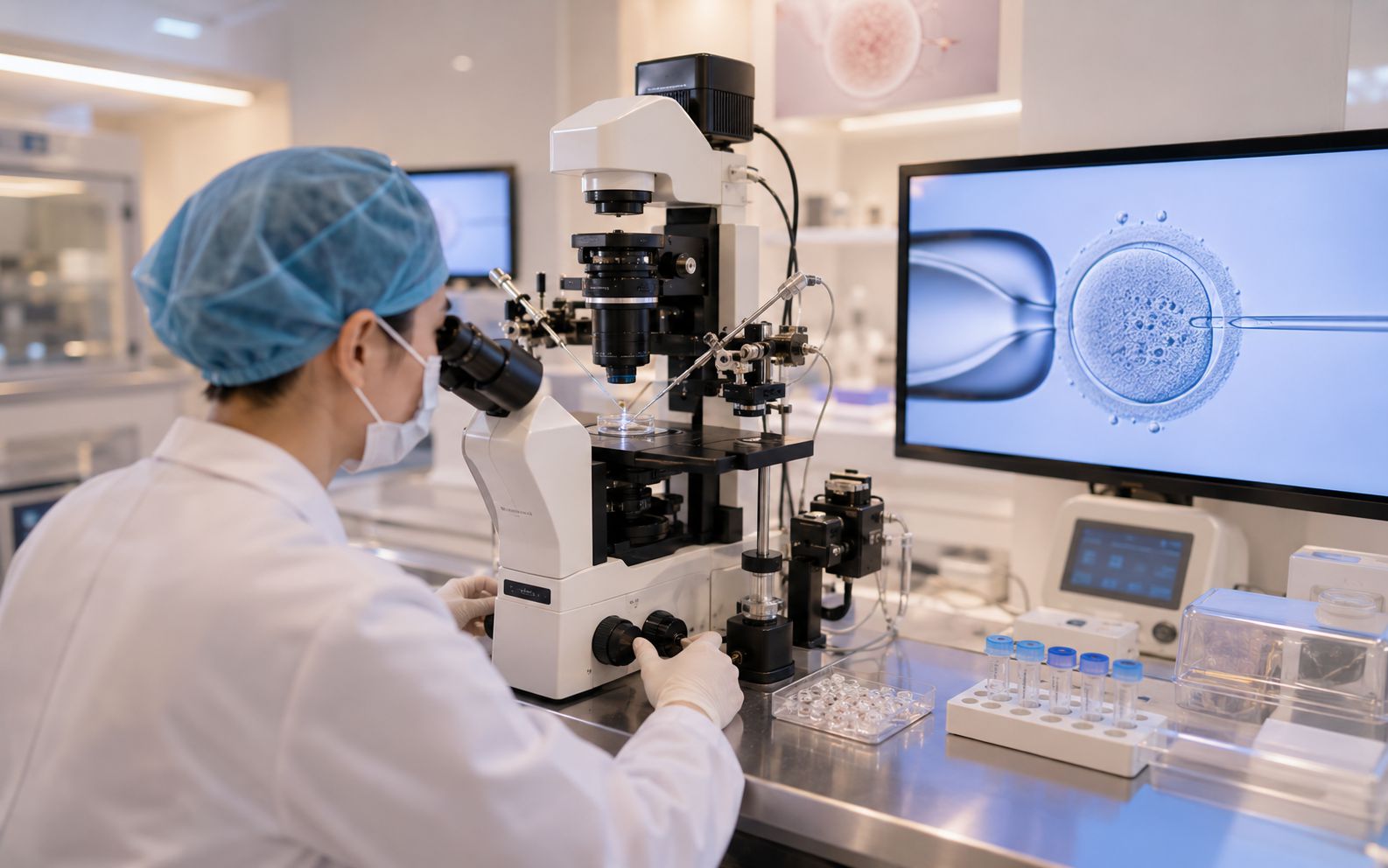
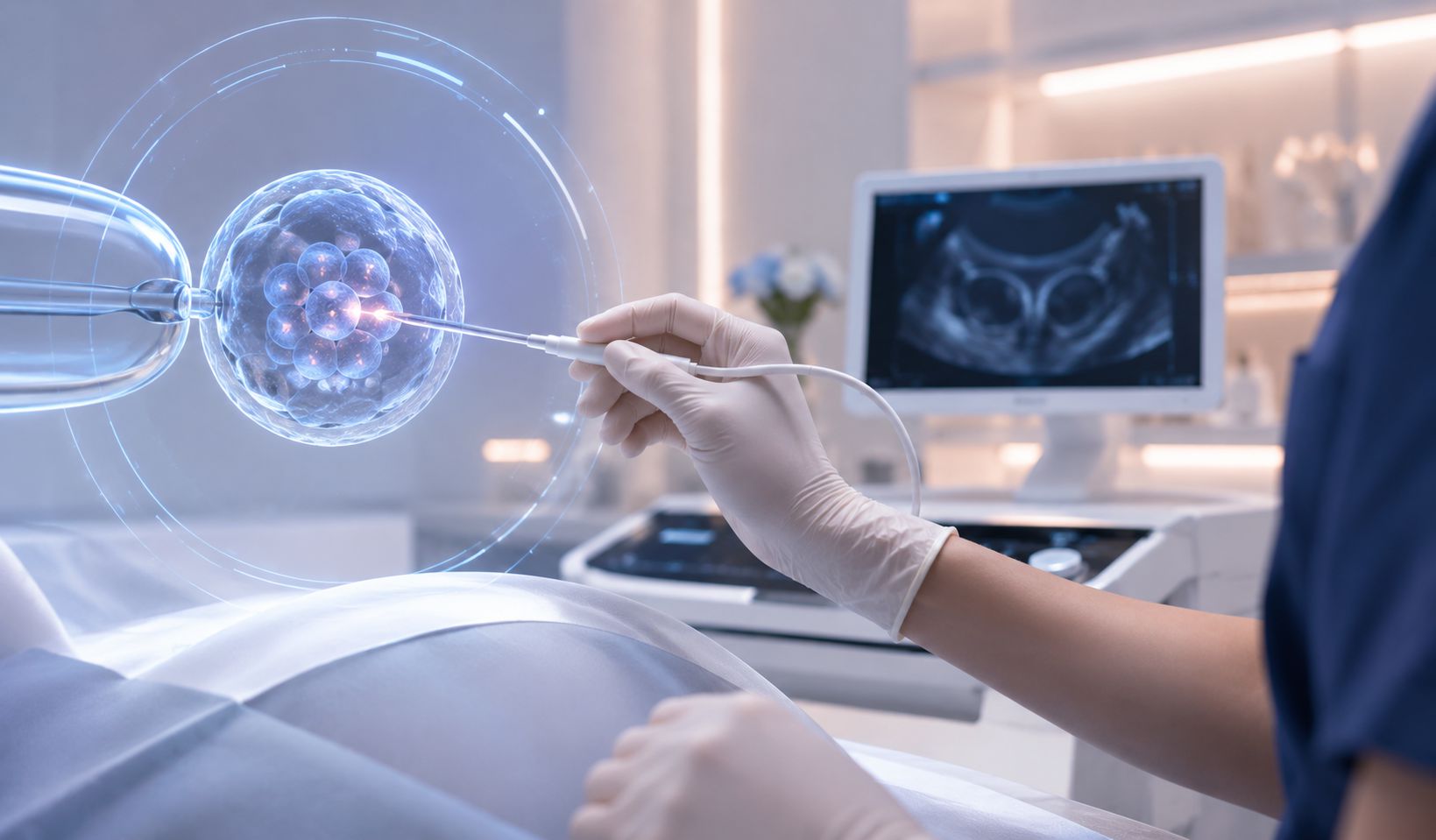
ICSI is a specialized IVF technique in which a single healthy sperm is directly injected into a mature egg using advanced micromanipulation technology.

This procedure significantly improves fertilization outcomes when natural fertilization is unlikely to occur.

Candidates for ICSI

  • Severe male factor infertility
  • Low sperm count
  • Poor sperm motility
  • Abnormal sperm morphology
  • Previous fertilization failure
  • Advanced maternal age
  • Unexplained infertility

Benefits of ICSI

  • Increased fertilization rates
  • Improved outcomes in male factor infertility
  • Enhanced embryo development potential
  • Widely used in modern IVF programs

Published studies report fertilization rates of approximately 70–80% when ICSI is appropriately indicated.

Intrauterine Insemination (IUI)

Intrauterine Insemination

Intrauterine Insemination (IUI)

A Less Invasive Fertility Treatment Option

IUI is a fertility procedure in which specially prepared sperm are placed directly into the uterus around the time of ovulation.

By reducing the distance sperm must travel to reach the egg, IUI increases the likelihood of fertilization.

Who May Benefit from IUI?

Suitable Candidates

  • Unexplained infertility
  • Ovulation disorders
  • PCOS
  • Mild male factor infertility
  • Cervical mucus abnormalities
  • Ejaculatory dysfunction
  • Mild sperm motility issues

Advantages of IUI

  • Less invasive than IVF
  • No egg retrieval required
  • Lower treatment costs
  • Shorter treatment duration
  • Minimal medication requirements

IUI Treatment Process

IUI Treatment Process

Step 1: Consultation and Evaluation
Comprehensive fertility assessment and treatment planning.

Step 2: Ovulation Induction
Medications may be prescribed to stimulate follicle development.

Step 3: Follicle Monitoring
Ultrasound monitoring is performed to determine optimal timing.

Step 4: Sperm Preparation
A specialized laboratory process is used to concentrate healthy, motile sperm.

Step 5: Insemination Procedure
Prepared sperm are placed directly into the uterus using a thin catheter.

Step 6: Luteal Phase Support
Hormonal support may be provided following insemination.

Step 7: Pregnancy Testing
Pregnancy testing is typically performed approximately two weeks after treatment.

Personalized Fertility Care

Every patient and every fertility journey is unique.

Our fertility specialists carefully evaluate age, reproductive health, ovarian reserve, sperm quality, treatment history, and family-building goals to create a personalized treatment plan designed to maximize your chance of success.

Helping You Build the Family You Dream Of

Through compassionate care, advanced reproductive technology, and individualized treatment strategies, we are committed to supporting you every step of the way toward parenthood.

Endometrial Receptivity Analysis and Precision Fertility Diagnostics

ERA / Precision Reproductive Medicine

Advanced Fertility Diagnostics & Precision Reproductive Medicine

Personalized Solutions for Implantation Success

Successful pregnancy depends on three essential factors:

  • A Healthy Embryo
  • The Right Timing
  • A Receptive Uterine Environment

At Song Fertility Center, we utilize advanced reproductive technologies and precision diagnostic tools to identify factors that may affect embryo implantation and pregnancy outcomes.

Our comprehensive approach allows us to create highly personalized treatment plans designed to maximize the chance of a successful pregnancy.

Endometrial Receptivity Analysis (ERA)

Identifying Your Personalized Window of Implantation

Embryo quality is only one part of successful implantation.

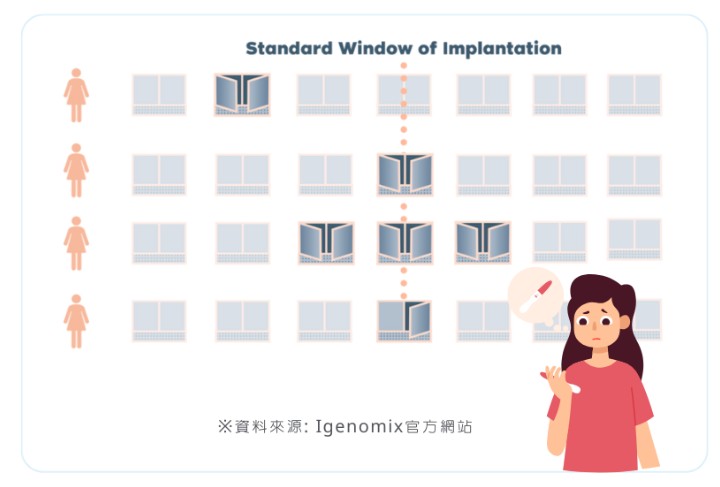
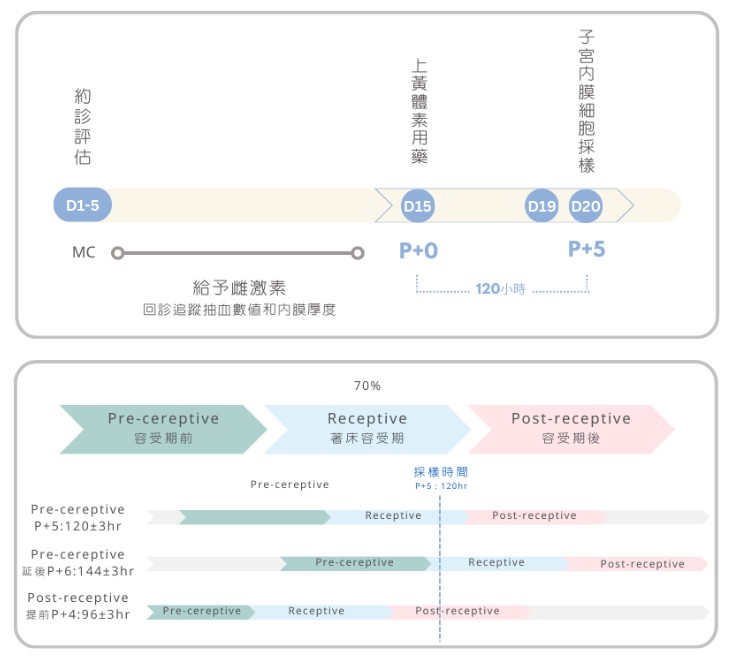
The uterine lining (endometrium) must also be prepared to receive the embryo during a specific period known as the Window of Implantation (WOI).

ERA is a molecular diagnostic test that evaluates the genetic expression profile of the endometrium to determine the optimal timing for embryo transfer.

Why ERA Matters

Research has shown that the timing of endometrial receptivity varies among individuals.

While many women experience their implantation window approximately 5–7 days after ovulation, others may have an earlier or later receptive period.

A personalized embryo transfer based on ERA results may help improve implantation rates and pregnancy outcomes.

Candidates for ERA Testing

  • Women aged 35 years and older
  • Patients with recurrent implantation failure
  • Patients with repeated IVF failures despite good-quality embryos
  • Patients with a limited number of available embryos
  • Individuals seeking personalized embryo transfer timing
  • Patients with unexplained infertility
Candidates for ERA Testing

Benefits of ERA

  • Personalized embryo transfer timing
  • Improved implantation potential
  • Reduced risk of repeated transfer failure
  • Enhanced IVF treatment efficiency

Source: Igenomix Japan Official Website

EndomeTRIO and PRP Precision Reproductive Medicine

EndomeTRIO / PRP

EndomeTRIO & PRP Therapy

EndomeTRIO: ERA + EMMA + ALICE

Comprehensive Endometrial Health Assessment

EndomeTRIO combines three advanced diagnostic tests from a single endometrial biopsy sample.

This comprehensive assessment evaluates:

  • Endometrial Receptivity (ERA)
  • Endometrial Microbiome Balance (EMMA)
  • Chronic Endometrial Infection (ALICE)

Together, these tests provide valuable information about the uterine environment and help optimize embryo implantation conditions.

EMMA

Endometrial Microbiome Metagenomic Analysis

The uterine microbiome plays an important role in implantation and pregnancy success.

EMMA evaluates the bacterial composition of the endometrium and measures the proportion of beneficial bacteria, particularly Lactobacillus species.

A healthy microbiome may contribute to a more favorable environment for embryo implantation.

Benefits of EMMA

  • Assessment of uterine microbiome health
  • Detection of microbiome imbalance
  • Identification of beneficial bacterial populations
  • Personalized recommendations for microbiome optimization

Candidates for EMMA

  • Recurrent implantation failure
  • Recurrent miscarriage
  • Unexplained infertility
  • Multiple unsuccessful IVF cycles

ALICE

Analysis of Infectious Chronic Endometritis

Chronic endometritis is a persistent inflammation of the uterine lining that often presents without obvious symptoms.

ALICE identifies bacterial pathogens associated with chronic endometritis that may negatively affect embryo implantation and pregnancy outcomes.

Early detection allows physicians to provide targeted treatment before embryo transfer.

Benefits of ALICE

  • Identification of pathogenic bacteria
  • Detection of chronic endometrial inflammation
  • Personalized treatment planning
  • Optimization of implantation conditions

Candidates for ALICE

  • Repeated implantation failure
  • Recurrent pregnancy loss
  • Unexplained infertility
  • Patients with suspected chronic endometrial inflammation
EndomeTRIO Testing Process

Platelet-Rich Plasma (PRP) Therapy

Regenerative Medicine for Reproductive Health

Platelet-Rich Plasma (PRP) therapy utilizes concentrated growth factors derived from a patient's own blood to promote tissue repair and regeneration.

In reproductive medicine, PRP has emerged as a promising treatment option for patients with thin endometrium, recurrent implantation failure, and diminished ovarian reserve.

Endometrial PRP Therapy

Supporting Endometrial Growth and Receptivity

PRP may be injected directly into the uterine lining to encourage tissue regeneration and improve endometrial thickness.

A healthy endometrial lining is essential for successful embryo implantation and ongoing pregnancy.

Ovarian PRP Therapy

Supporting Ovarian Function

For selected patients with diminished ovarian reserve or premature ovarian insufficiency, PRP may be administered into ovarian tissue to stimulate regenerative processes and potentially improve ovarian response.

Potential Benefits of PRP

  • Improved endometrial thickness
  • Enhanced implantation environment
  • Support for ovarian function
  • Regenerative and minimally invasive treatment option
  • Utilizes the patient's own biological material

Candidates for PRP Therapy

  • Thin endometrium
  • Recurrent implantation failure
  • Recurrent pregnancy loss
  • Diminished Ovarian Reserve (DOR)
  • Premature Ovarian Insufficiency (POI)

Egg Pooling

If small follicles remain after the egg retrieval procedure, ovarian stimulation injections or medications may be used again to perform a second egg retrieval within the same menstrual cycle.

Once a sufficient number of eggs has been collected, the eggs can be thawed in batches for fertilization. This approach may be suitable for women whose ovarian function is gradually declining and who produce fewer eggs of otherwise good quality.

Embryo Pooling

After fertilization during each treatment cycle, embryos with lower developmental potential are screened out while a sufficient number of blastocysts is accumulated. The selected embryos can then be thawed together for transfer.

This approach may help improve the chance of pregnancy and reduce psychological pressure during treatment. It may be suitable for couples with diminished ovarian function or those planning to have two or more children.

Personalized Treatment Planning

Every patient is unique, and the most suitable fertility treatment is a personalized treatment plan.

Whether the plan involves a second egg retrieval, egg pooling, or embryo pooling, our medical team carefully evaluates relevant risks, including Ovarian Hyperstimulation Syndrome (OHSS), and develops an individualized treatment strategy.


Embryo Genetic Testing and Embryology Laboratory

PGT-A / PGT-M / CGT

Preimplantation Genetic Testing

Preimplantation Genetic Testing for Aneuploidy (PGT-A)

Selecting Chromosomally Normal Embryos

Preimplantation Genetic Testing for Aneuploidy

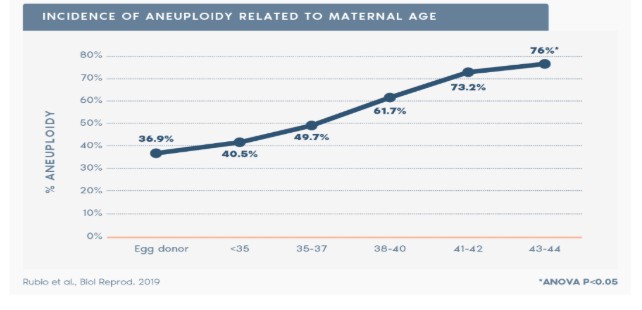
As maternal age increases, the likelihood of chromosomal abnormalities in embryos also rises.

Chromosomal abnormalities are among the most common causes of implantation failure, miscarriage, and unsuccessful IVF outcomes.

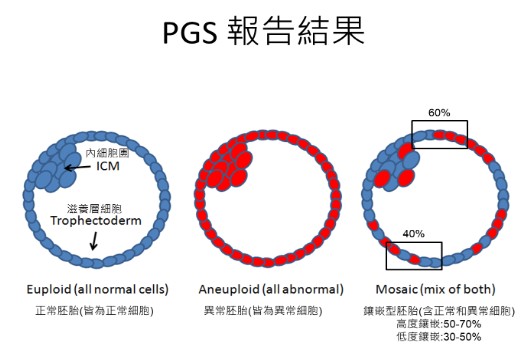
PGT-A screens embryos for chromosomal abnormalities before embryo transfer, allowing selection of embryos with a normal chromosomal complement.

Benefits of PGT-A

  • Increased implantation rates
  • Reduced miscarriage risk
  • Improved IVF efficiency
  • Higher likelihood of successful pregnancy
  • Increased live birth potential

Who Should Consider PGT-A?

  • Women aged 35 years and older
  • Recurrent miscarriage
  • Repeated IVF failure
  • Known chromosomal abnormalities
  • Recurrent implantation failure
  • Patients seeking single embryo transfer with optimized success rates

How PGT-A Works

PGT-A Embryo Biopsy PGT-A Genetic Analysis

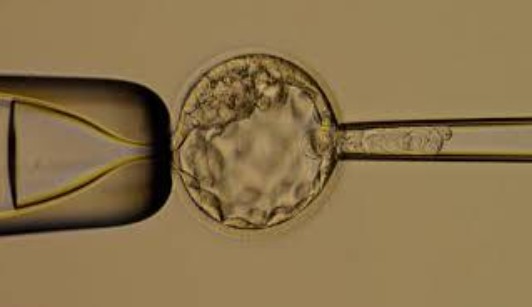
At the blastocyst stage (Day 5–6), a small sample of cells is carefully biopsied from the embryo's trophectoderm.

The genetic material is then analyzed to determine whether the embryo contains the correct number of chromosomes before transfer.

Preimplantation Genetic Testing for Monogenic Disorders (PGT-M)

Preventing the Transmission of Inherited Genetic Disorders

Families affected by hereditary genetic conditions often face difficult decisions during pregnancy.

PGT-M enables genetic testing before embryo transfer, helping identify embryos that are free from specific inherited diseases.

This allows couples to significantly reduce the risk of passing genetic disorders to future generations.

Conditions Commonly Screened with PGT-M

  • Thalassemia
  • Spinal Muscular Atrophy (SMA)
  • Pompe Disease
  • Spinocerebellar Ataxia (SCA)
  • Hemophilia
  • Fragile X Syndrome
  • Other single-gene disorders

Benefits of PGT-M

  • Reduces the risk of inherited genetic diseases
  • Supports informed family planning
  • Improves reproductive confidence
  • Minimizes the need for difficult prenatal decisions

Expanded Carrier Genetic Testing (CGT)

Understanding Genetic Risks Before Pregnancy

Carrier Genetic Testing (CGT) helps identify whether prospective parents carry genetic variants associated with inherited disorders.

Many carriers are healthy and unaware of their genetic status.

Through comprehensive genetic screening, couples can better understand reproductive risks and make informed decisions regarding natural conception, IVF, and PGT-M.

Who Should Consider CGT?

  • Couples planning pregnancy
  • Individuals with a family history of genetic disorders
  • Patients pursuing IVF treatment
  • Individuals seeking comprehensive reproductive planning

The Three Keys to Successful Implantation

Healthy Embryos: PGT-A

Optimal Timing: ERA

Healthy Uterine Environment: EMMA + ALICE

By combining advanced diagnostics, genetic testing, and personalized treatment strategies, Song Fertility Center helps maximize implantation success and supports your journey toward a healthy pregnancy.

Precision Medicine for Your Fertility Journey

Every patient is unique. Our team is committed to delivering individualized fertility care through evidence-based medicine, advanced reproductive technology, and compassionate support every step of the way.

CONSULTATION

Consultation Form

Every fertility journey deserves attentive care. Please leave your needs and contact information, and our team will help you explore the treatment options that may be right for you.

*Required field

If you need any assistance, please contact us. We will get back to you as soon as possible.

Can’t read it? Click the image to refresh.

Submit